What Is PRP?
Start with the patient, then follow the platelet.
Platelet is the tiny blood component we are about to explore. Rich means the plasma fraction is enriched in platelets compared with the starting blood. Plasma is the liquid portion of blood that carries them.
PRP is a blood-derived preparation, not stem-cell therapy. Different PRP preparations can differ substantially in platelet dose and cellular composition.
“I’ve heard about PRP, but what actually is it?”
Choose the answer you would give before we look inside the blood.
Small structure. Remarkably complex biology.
Platelets are tiny components of blood produced in the bone marrow. Unlike most cells, they do not have a nucleus. They still carry granules, receptors, enzymes, RNA, mitochondria, and signaling machinery that let them respond rapidly when activated.
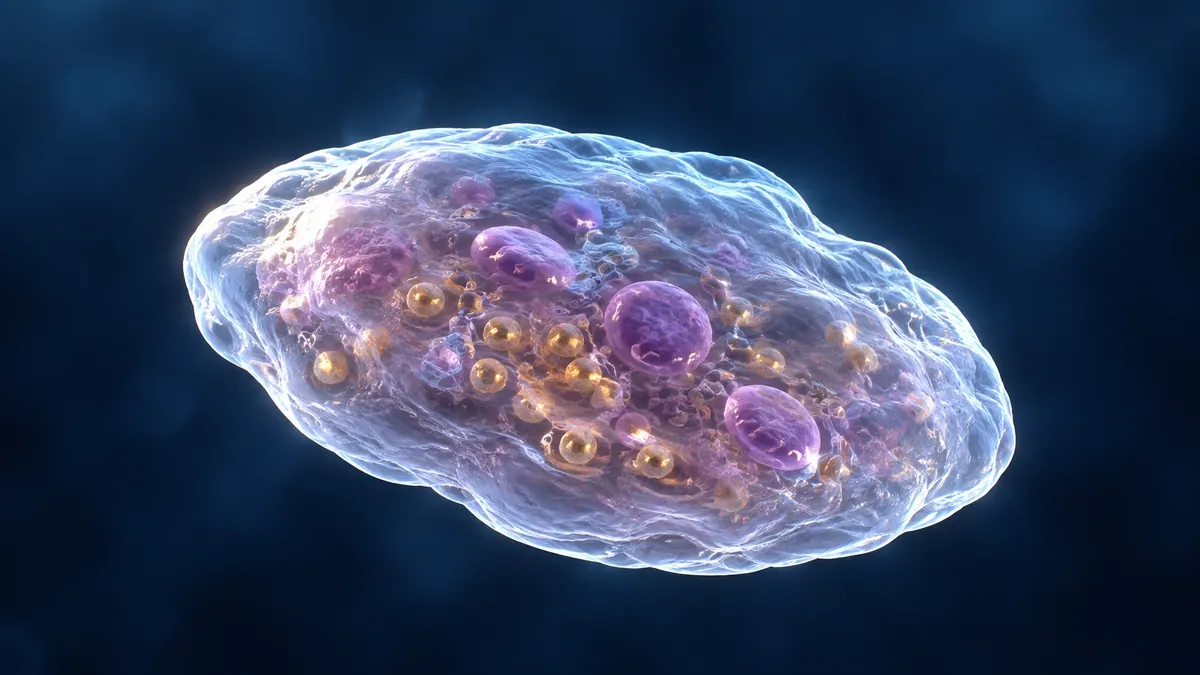
A resting platelet is only about 2–3 µm across. It has no nucleus, but it is packed with structures that help it sense injury, communicate, change shape, and release stored molecules.
Start by selecting Resting platelet, then select Alpha granules.
Now put the platelet back into whole blood
Before processing, red blood cells, white blood cells, platelets, and plasma are together in the patient’s blood. Select each component to connect the realistic whole-blood view with what that component does and why it matters in PRP.
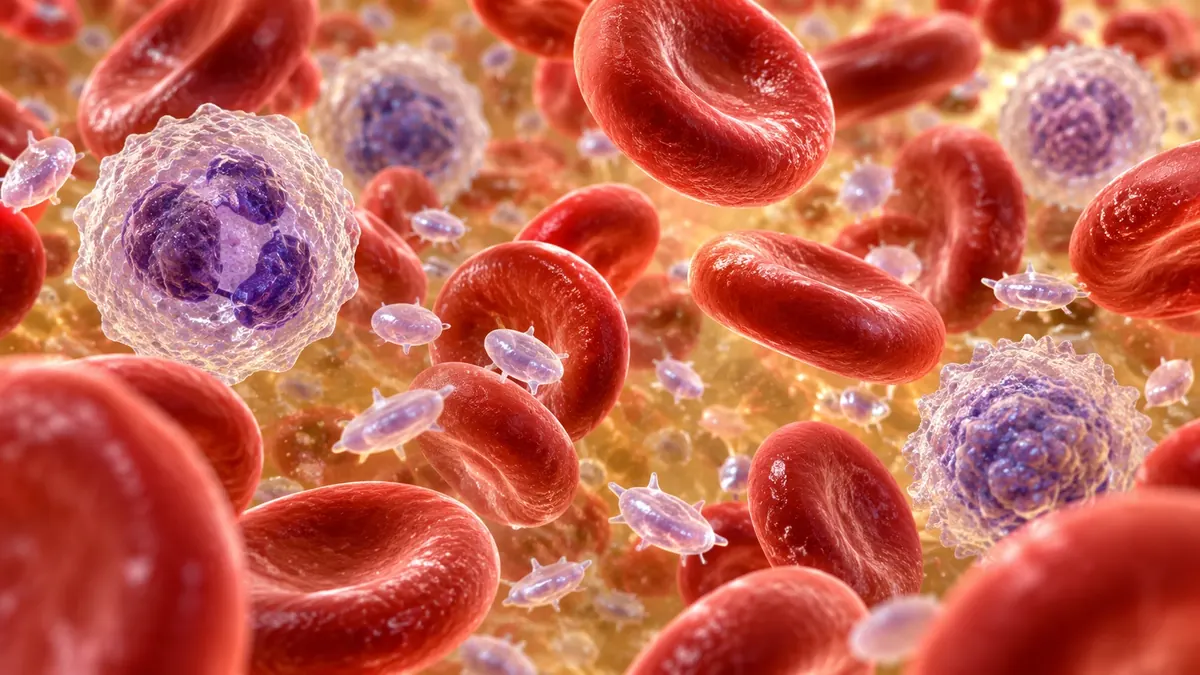 Platelets
Tiny first responders with a second story.
Cut your finger and platelets help form the initial plug that limits bleeding. In PRP, we are also interested in the signaling cargo and behavior packed inside these tiny structures.
Next, select Plasma.
Processing does not create platelets. It changes where the components are.
Instructions: Select each numbered stage, starting with Whole blood and ending with PRP collection. At the separated sample, you can also select each region to learn more.
Work through the four stages. The sequence is intentionally generic because PRP devices use different vessels, centrifuge settings, and collection methods. Use the controls to follow what changes at each stage.

Whole blood
The process starts with the patient’s blood. Platelets, plasma, red blood cells, and white blood cells are still mixed together. An anticoagulant is commonly used during collection so the sample can be processed before clotting.
Select a region to learn what it represents.
Two syringes can look the same and deliver different platelet doses
Both syringes below contain exactly 5 mL of PRP. You cannot see platelet concentration by looking at the syringe.
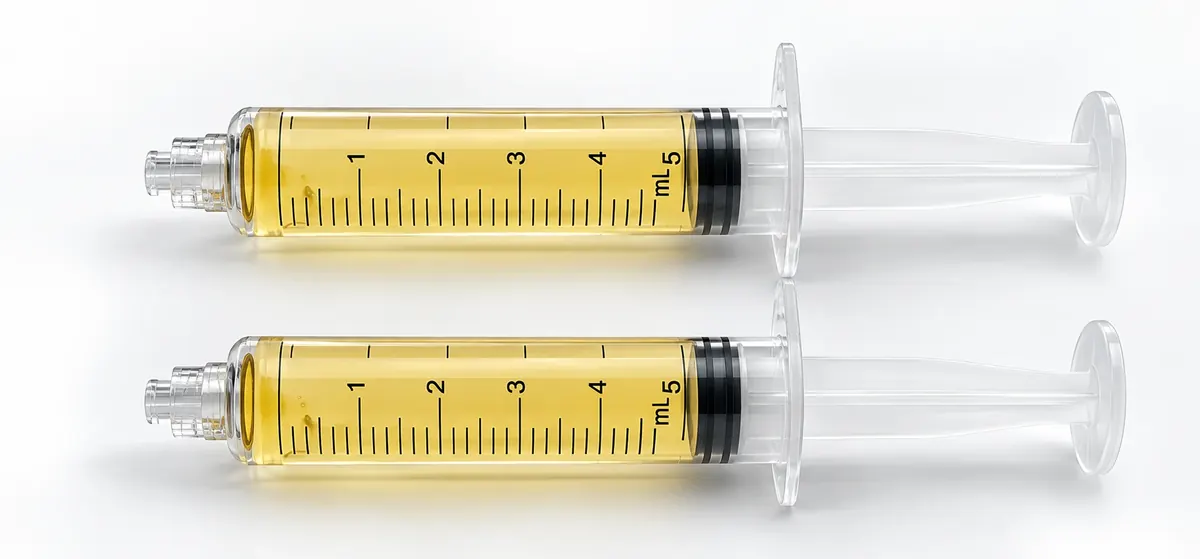
PRP preparations can also differ in leukocytes, neutrophils, red blood cells, activation method, and other characteristics. Current expert consensus emphasizes reporting these features, and the ideal PRP dose is not universally established across musculoskeletal conditions.
Good PRP education helps the patient and the practice
Clear, consistent explanations reduce confusion and help patients understand what is actually being prepared.
Staff who understand the process are better prepared to follow the practice workflow, notice missing information, and escalate appropriately.
A well-run PRP service can reduce avoidable rework and physician interruptions. Efficient operations matter in any service line, including cash-pay and variably covered care.
Education should support the service, not sell a treatment. Clinical indications, expected outcomes, and individualized recommendations remain the clinician’s responsibility.
Turn the science into a patient-friendly answer
Can You Explain PRP to a Patient?
PRP stands for platelet-rich plasma. It's prepared from a sample of your own blood by separating and collecting a portion containing platelets. Your clinician uses that preparation as part of a treatment intended to support the body's healing processes, although results vary depending on the condition and patient.
Remember this: Read this explanation carefully. Imagine a patient asking you what PRP is. By the end of this course, you should be comfortable explaining it in your own words.
“Okay, so what should I tell my husband PRP actually is?”
Knowing PRP well includes knowing when the clinician should answer
“My friend said PRP grew her cartilage back. Will it do that for my knee?”
Know it. Explain it. Know when to escalate it.
PRP starts with the patient’s own blood, but processing changes what ends up in the final syringe. Patient-facing staff should understand the preparation well enough to explain it clearly, recognize why PRP products can differ, and know when an individualized clinical question belongs with the treating clinician.
Key sources used for this lesson include peer-reviewed platelet biology reviews, NCBI descriptions of the buffy coat, PRP preparation literature, and recent musculoskeletal PRP consensus work.
Show that you understand the concepts
This is not a trick quiz. The questions are designed to confirm that you can apply the lesson, not simply recognize a definition. Pass this lesson check with 80%. The final course assessment will require 90% for the certificate.